Table Of Content

The drainage system behind the gabion retaining wall should be regularly inspected to ensure proper functioning. Any clogged or blocked drainage outlets should be cleared to prevent water accumulation and potential damage to the wall. Regular monitoring of water flow and soil moisture levels can help identify any drainage issues early on. Gabion retaining walls can be enhanced by incorporating additional landscaping elements. By integrating these elements into the design, the wall can serve multiple purposes and create a dynamic and inviting space.
Factors to be Considered Designing Gabion Wall

The choice of rock type and color greatly influences the visual impact of the gabion retaining wall. The rocks can be selected to match the existing color palette of the surroundings or create a contrast that highlights the wall as a focal point. The texture of the rocks can also be varied to add visual interest and create a unique aesthetic appeal.
Gabion walls in modern architect-designed homes
The wire mesh cages used for gabion retaining walls are typically made of galvanized steel. Galvanized steel offers excellent corrosion resistance and ensures the longevity of the wall. The mesh size should be chosen based on the size of the rocks being used, ensuring they are securely held within the cages.
Canadian Green Building Awards 2024 - Deadline March 11, 2024
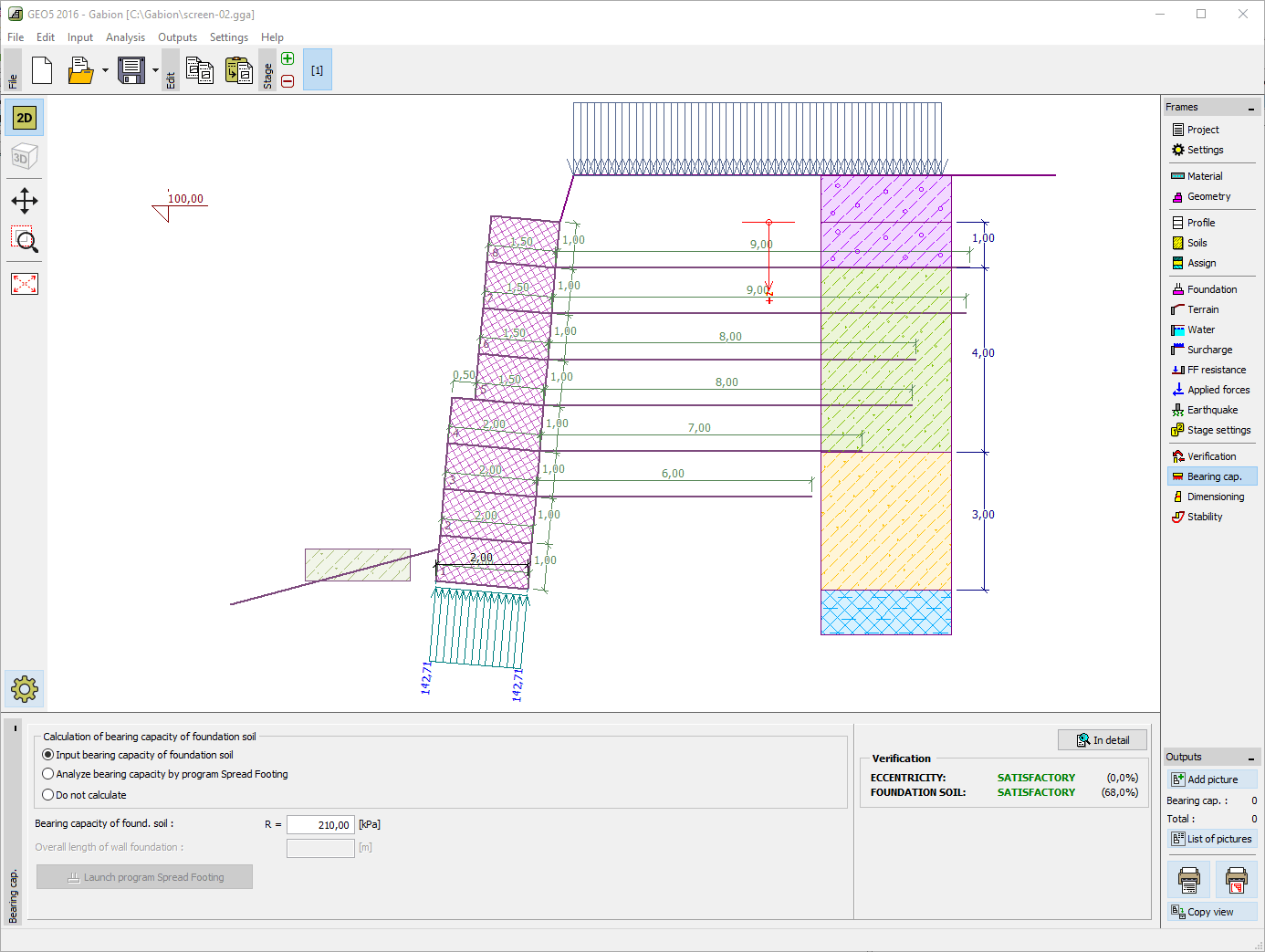
The soil bearing pressure is compared with the bearing resistance of the base and found to be satisfactory. Log in to TheConstructor to ask questions, answer people’s questions, write articles & connect with other people. Join TheConstructor to ask questions, answer questions, write articles, and connect with other people. Similarly, to the sliding check, the overturning resistance must be verified at the interface of each unit and the base.
Landscape masterplan revealed for Bolton town centre development TheBusinessDesk.com - The Business Desk
Landscape masterplan revealed for Bolton town centre development TheBusinessDesk.com.
Posted: Thu, 29 Apr 2021 07:00:00 GMT [source]
Exploring real-life examples of gabion retaining wall projects can provide valuable insights and inspiration for your own design. These case studies showcase the versatility and beauty of gabion walls, demonstrating their successful integration into various landscapes and architectural designs. Proper maintenance is crucial for ensuring the longevity and performance of gabion retaining walls. By following regular maintenance practices, you can preserve the structural integrity and aesthetic appeal of the wall for years to come. The height of the gabion retaining wall is a crucial design consideration, as it determines the load-bearing capacity and stability of the structure. Higher walls require proper engineering analysis and reinforcement to ensure they can withstand the pressure exerted by the retained soil.
Types of Heavy Equipment Used in Construction
Where possible, the infill material should be well graded, in order to increase the overall weight of the retaining wall. To build on 3 levels you will most likely need to pour the bottom slab, build a retaining wall as you suggest, or a short ICF knee wall. Then pour the next one, the next retaining wall /knee wall, and again the next slab, so it could be a long and labour intensive procedure.
The cages, typically made of galvanized steel, are available in various sizes and shapes to accommodate different design requirements. Care should be taken to ensure the cages are aligned properly, and any overlaps or gaps are minimized. The construction process of a gabion retaining wall involves several steps that ensure the stability and longevity of the structure. Furthermore, gabion walls have been utilized in architectural and landscape designs to create unique features such as seating areas, decorative walls, and freestanding structures. Their versatility allows architects and designers to explore imaginative possibilities, blending functionality with artistic expression.
Water Drainage and Erosion Control
The primary purpose of gabion retaining walls is to provide structural support to prevent soil erosion and slope instability. These walls are commonly used to retain soil, create terraces on hilly landscapes, and control water drainage. They are particularly effective in areas with uneven terrain and high water flow, as they help reduce the risk of landslides and flooding.
GE Awards 2020 UK Projects with a Geotechnical Value of under £0.5M shortlist - Ground Engineering
GE Awards 2020 UK Projects with a Geotechnical Value of under £0.5M shortlist.
Posted: Fri, 23 Oct 2020 07:00:00 GMT [source]
If you’re looking for a way to spruce up your outdoor area, whether just renovating or adding in a brand new garden, you should consider building a gabion retaining wall. These walls have easy installation and can be the perfect addition to your outdoor living space for many reasons. Additional expenses to consider when budgeting for a gabion retaining wall project include site preparation, equipment rental, and any necessary permits or inspections. Site preparation costs may include clearing vegetation, leveling the area, and preparing the foundation. Obtaining the necessary permits and scheduling inspections will also incur additional costs. Integrating lighting into the gabion retaining wall can enhance its visual appeal and provide functionality during nighttime.
In fact, it is possible to have a curved gabion wall, but it takes a lot of patience to first make sure the mesh holds a curved shape and then fill in the rocks. Plus, if you don’t put any mesh on top, your guests cannot use the wall for sitting, which is a common use for gabion walls. Brick walls cost an average of $14 to $15 per square foot, not including the extra cost for mortar, extra materials, and labor hours. We’ll crunch the actual numbers in a moment, but these figures alone show that it can be extremely affordable to pitch in some elbow grease and construct your gabion retaining wall.
The longer the gabion wall sits in the earth, the more it settles into the ground and the stronger it becomes. Gabion retaining walls have a typical lifespan of 50 to 100 years, depending on how much saltwater they’re exposed to. Gabion walls generally do not have a concrete footing, as in other types of retaining walls. Gabion retaining walls not only provide functional and aesthetic benefits but also contribute to environmental sustainability.
In the event of any damage or structural issues, repairs should be carried out promptly. This may involve replacing damaged wire mesh cages, adding additional rocks to stabilize the wall, or reinforcing weak sections. Regular maintenance can help detect any repair needs early on, ensuring the longevity and performance of the wall.
Lighting fixtures can be embedded within the wall structure to create an ambient glow or strategically placed to highlight specific areas. The rocks used for filling the gabion cages play a crucial role in providing stability and aesthetics. For example, larger rocks are typically used for higher walls to enhance stability, while smaller rocks may be suitable for decorative walls. The rocks should be durable, able to withstand weathering, and capable of interlocking to create a stable structure. So this may increasingly become a popular building trend as it's certainly easier than trying to build a dry stone wall for most people.
The walls were designed to withstand the force of the water and prevent soil erosion. The rock-filled cages not only provided structural stability but also created a visually appealing barrier. The incorporation of native plant species within the wall enhanced its ecological value and contributed to the restoration of the riverbank ecosystem. GEO-TEX geo-textile filter fabric is a vital component of any gabion retaining wall project. Gabion walls are most commonly filled with rocks and the voids between them are filled in with backfill materials such as silts and clay or soft clay.


No comments:
Post a Comment