Table Of Content
- Growing Seasons are Getting Longer—What That Means for Your Home Landscape
- Future-proof building techniques for a changing climate
- What is the Safe Bearing Capacity values for Different Soils?
- The easiest way to insulate walls from the exterior in older homes
- How to Build a Gabion Wall
- Products to Help You Corral Your Garden Veggies
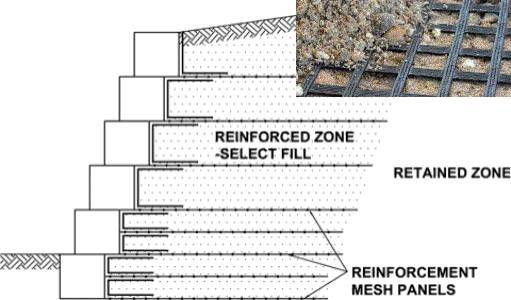
Hiring experienced professionals or a specialized construction team is recommended to ensure the proper installation and structural integrity of the wall. Obtaining multiple quotes and evaluating the expertise of the contractors will help determine the most suitable option. Most gabion retaining walls can be built on soils with a minimum bearing capacity of 100Kpa. Any soft, loose, organic or unsuitable material must be removed and replaced with compacted granular fill. The retaining wall toe prevents the gabion wall sliding forwards, the depth of the toe needs to increase as the wall gets bigger.
Growing Seasons are Getting Longer—What That Means for Your Home Landscape
Gabion walls have revolutionized the field of construction and landscaping with their unique combination of strength, versatility, and aesthetic appeal. Whether it’s erosion control, retaining walls, or landscape design, gabion walls offer a sustainable and cost-effective solution. Their durability, flexibility, and ability to blend with the environment make them a popular choice among architects, engineers, and homeowners alike.
Future-proof building techniques for a changing climate
This can include colored rocks, patterned arrangements, or the use of different rock sizes. These elements can be strategically placed to create focal points or highlight specific areas. Everyone’s opinions vary, but it’s possible you may find gabion retaining walls less attractive than traditional ones made of stone or brick.
What is the Safe Bearing Capacity values for Different Soils?
GE Awards 2022: UK Project with a Geotechnical Value of between £1M and £3M shortlist - Ground Engineering
GE Awards 2022: UK Project with a Geotechnical Value of between £1M and £3M shortlist.
Posted: Thu, 14 Jul 2022 07:00:00 GMT [source]
In some cases, additional materials may be required to enhance the functionality or aesthetics of the gabion retaining wall. Geotextile fabric can be used as a lining inside the cages to prevent soil migration while allowing water drainage. Additionally, decorative elements such as colored stones, glass, or wooden inserts can be incorporated to add visual interest to the wall. They are typically constructed using 1m x 1m steel wire panels or mesh, which are unfolded at the construction site to form cages. These cages are then filled with materials, tied together and assembled into the retaining walls.
Depending on where you plan to build your retaining wall and how prominent it will be in your landscape, aesthetics may or may not factor into your decision to build a gabion wall. Compared to building a retaining wall using stacked stones, bricks, pavers, or concrete, gabion wall costs are significantly less expensive. The wire mesh baskets are not pricey, and you can use your budget to select appropriate filler materials, including construction leftovers, bricks, or stones. It may be determined, through a stability analysis, that additional stability of the gabion gravity retaining wall may be required to achieve acceptable factors of safety from sliding. This will require the foundation soils to be graded and compacted to accommodate for the specified wall batter.
The selection of rocks is crucial, as they should be durable and capable of interlocking to provide stability. The rocks are carefully placed inside the cages, ensuring proper distribution and compaction. The filling process should be carried out in layers, with each layer compacted before adding the next.
As the wall height increases, the base of the wall must become wider to ensure structural stability. We have provided the diagrams below to illustrate a starting point for design analysis to determine the base width relative to the wall height. Gabion walls are essentially wire mesh containers filled with stones or other suitable materials. These containers, commonly known as gabion baskets, are stacked and interconnected to form a robust structure capable of withstanding various forces. The wire mesh design allows for the free flow of water, making gabions an excellent solution for erosion control and drainage management.
What is a Gabion Wall and How Do You Use It in Your Home Landscape?
In conclusion, gabion retaining walls offer a perfect blend of functionality and aesthetics. Their unique design, construction process, and customization options make them an ideal choice for a wide range of projects. The material costs for a gabion retaining wall project include the wire mesh cages, rocks, and any additional materials such as geotextile fabric or decorative elements. The quantity and quality of these materials will vary depending on the size and complexity of the wall. Obtaining quotes from suppliers and comparing prices will help determine the most cost-effective options.
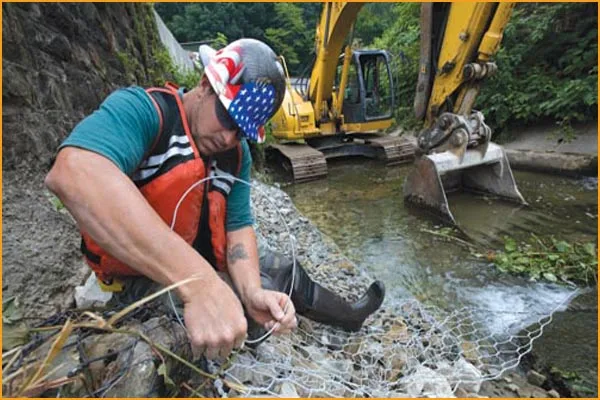
Gabion gravity retaining walls can be designed and constructed up to approximately 30’, however due to the configuration of gabion gravity retaining walls their best suited for wall heights of 18’ or less. For wall heights of 18’- 36’ consider two separate walls divided by a level plateau or see the Stable Slope Section of this web site. However, there are multiple fill material options for those who may prefer a more natural look. As we mentioned before, if you live near the coast, your gabion retaining wall may rust more easily as opposed to one that’s more inland. Gabion retaining walls offer endless possibilities for customization, allowing you to create a unique and personalized design. By exploring different options and incorporating creative elements, you can make your gabion wall a standout feature in your landscape.

Gabion walls used for landscaping as retaining walls would not need to be as robust as a wall that would have any safety implications such as high walls in public spaces or those that carry structural loads. Unfortunately we can’t guide you much more specifically than that as we don’t know the site, the climate (frost line), the size or the intended use, but the page above should be helpful. Sometimes, you can fill your gabion walls with colorful landscape glass, creating a unique design. You can even put lights inside the structure behind the glass and see it light up at night. A gabion retaining wall needs to be at least 12 inches at a bare minimum, so about a foot thick. If you’re looking for any walls or fences thinner than that, then you may need to consider something other than a gabion wall for your outdoor area.
There are loads of ways to perfect your gabion retaining wall’s design to make it unique to your outdoor area—whether it’s the backyard, front yard, or anywhere in between. There are tons of different materials you can choose from to make sure your wall fits your vision. This implies that when designed as retaining walls, resistance to sliding and overturning is ensured by virtue of the weight of the wall. Hence in designing a gabion wall, the units which are wired together are summed up and considered as one cohesive mass for design purposes.
Gabion retaining walls are also a cost-effective solution if you’re trying to redo your outdoor space or garden but don’t want to break the bank. Compared to standard walls and fencing, gabion walls help you save money, especially if you’re going for an industrial look. In the realm of civil engineering, the challenges of dealing with sloped terrains, erosion prevention, distinctively, the need for retaining walls, has led to the development of various solution.
When it comes to creating a sturdy and visually appealing retaining wall, gabion designs have gained immense popularity. With their unique construction using wire mesh cages filled with rocks, gabion retaining walls offer a plethora of benefits. From their ability to withstand heavy loads to their ability to blend harmoniously with the surrounding environment, these walls are an excellent choice for both residential and commercial projects. In this example, we explore a commercial project where gabion retaining walls were utilized for erosion control along a riverbank.
Gabion retaining walls have been used for centuries and continue to be a popular choice due to their numerous advantages. These walls are created by stacking wire mesh cages filled with rocks or other suitable materials. The cages, typically made of galvanized steel, provide structural integrity and prevent the rocks from shifting. Gabion walls are known for their strength and stability, making them capable of withstanding heavy loads and resisting erosion.
Choosing the appropriate materials for a gabion retaining wall is crucial for its performance, aesthetics, and durability. The selection process involves considering factors such as the type of wire mesh, rock size and type, and additional materials. Quite frankly, there aren’t a lot of disadvantages to gabion walls compared to concrete. The third thing, that we're going to continue to investigate for when using gabion cage walls for home building, is how to prevent air infiltration into and out of homes with gabion walls.


No comments:
Post a Comment